
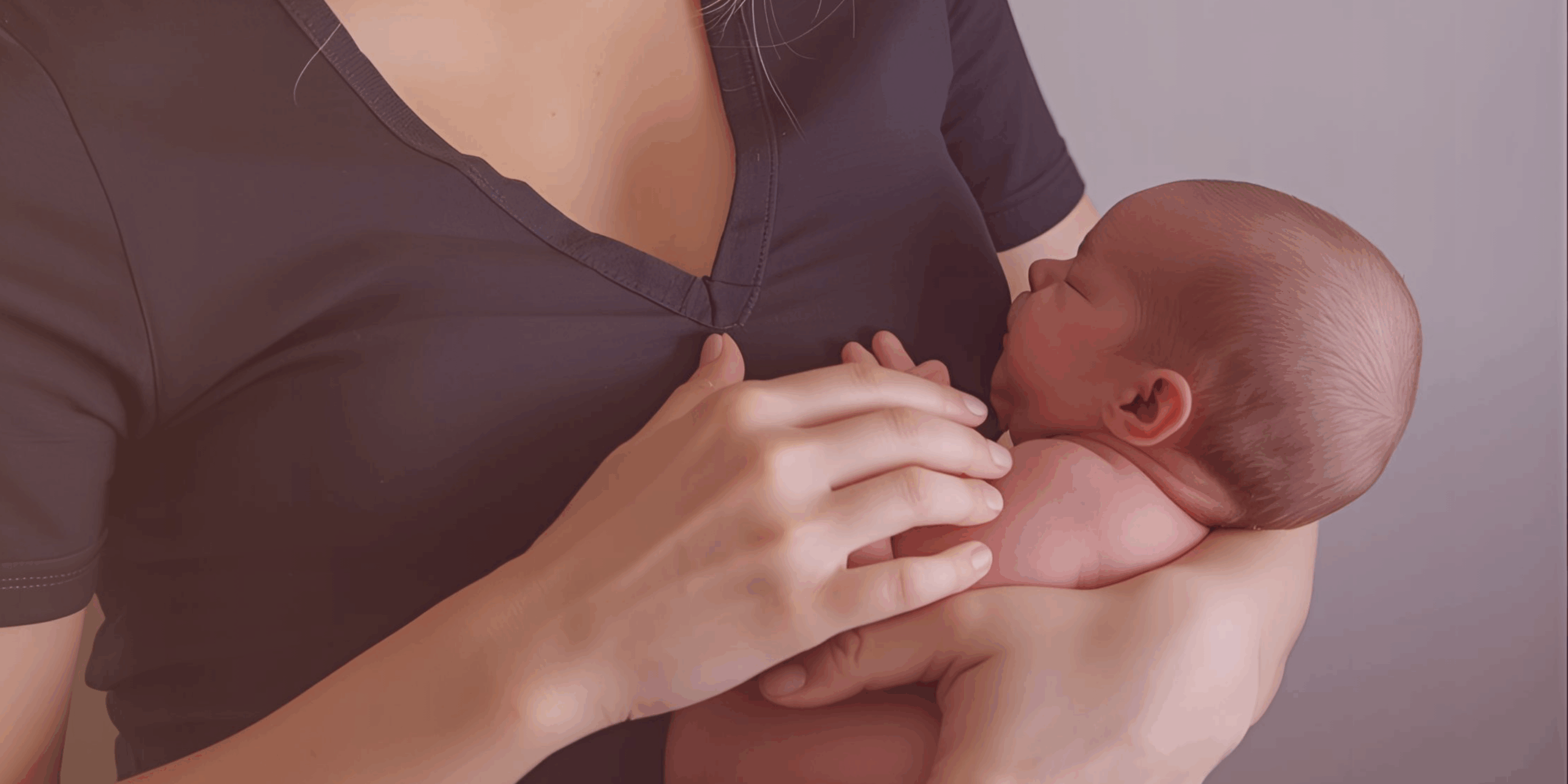
If you are a mother recovering after childbirth, it is important to pay attention to your diet. A balanced and varied diet can positively impact your recovery, mental health, quality of life, long-term health outcomes, and your baby’s well-being.
Nutrition is one of the fundamental factors influencing health and well-being, and it becomes especially important during certain life stages when the body’s needs are increased or altered. One such period is postpartum and breastfeeding — a time when a mother’s body recovers from pregnancy and childbirth and produces the ideal nourishment for her newborn. A breastfeeding mother not only meets her baby’s nutritional needs through breast milk but also transfers immune factors that help protect the baby from illness.
Nutrition during pregnancy and breastfeeding can influence the microbiome of breast milk and the infant’s gut microbiome. While more research is needed, evidence suggests that a varied maternal diet can positively affect the development of the infant’s microbiome, which is crucial for the immune and digestive systems. For this reason, a proper and balanced diet during lactation is extremely important — both for the child’s health and for preserving the mother’s health and energy.
Basic Principles of Nutrition for Breastfeeding Mothers
A breastfeeding mother’s diet doesn’t differ significantly from a healthy adult’s diet, but certain considerations are necessary due to increased energy, vitamin, mineral, and fluid requirements. A breastfeeding mother needs to consume additional calories to produce enough milk. An energy increase of approximately 340–400 kcal per day is recommended, roughly equivalent to one extra meal.However, the focus should not only be on the quantity of food, but also on its quality. The breastfeeding mother’s diet should be diverse, balanced, and nutrient-rich. This means including carbohydrates, proteins, and healthy fats, along with plenty of fruits and vegetables (sources of vitamins, minerals, and dietary fiber), whole grains, and adequate fluid intake.
Key Nutrients for Breastfeeding Mothers
During breastfeeding, the need for almost all micronutrients increases, but special attention should be paid to the following:- Proteins
Proteins are essential for the child’s growth and development, and for the mother’s muscle tissue recovery. Good sources include eggs, meat, fish, dairy, legumes, and nuts. - Calcium
The body uses calcium reserves from bones to supply breast milk. If dietary intake is insufficient, it can lead to bone loss over time. Sources include dairy products, almonds, sesame seeds, leafy green vegetables, and calcium-fortified plant-based drinks. - Iron
Although iron needs decrease during breastfeeding compared to pregnancy, sufficient intake remains important, especially if there was blood loss during delivery. Iron is found in red meat, liver, legumes, green vegetables, and whole grains. - Omega-3 Fatty Acids (especially DHA)
These are crucial for the baby’s brain and vision development. The best sources are fatty fish such as salmon, sardines, and mackerel. If the mother does not consume fish, omega-3 supplements can be used.
International experts (e.g., European Academy of Pediatrics and the Child Health Foundation) recommend supplementing DHA in exclusively breastfed infants. - B Vitamins and Folic Acid
Important for energy, metabolism, and nervous system development. Found in whole grains, legumes, eggs, green vegetables, and nuts. - Vitamin D
Mostly synthesized in the skin through sun exposure, and dietary sources are limited, so supplementation is often recommended. Vitamin D is vital for calcium absorption and bone health.
Fluids and Breastfeeding
Breastfeeding mothers need to pay close attention to fluid intake. The body uses fluids to produce milk, so staying hydrated is crucial. A daily intake of around 2.5 to 3 liters of fluid is recommended — primarily through water, herbal teas, or soups. Coffee and regular tea should be consumed in moderation as caffeine passes into breast milk and may affect the baby.Foods to Avoid or Limit
There are no strict prohibitions, but certain foods are not recommended in large quantities:Alcohol: Passes into breast milk and may affect the baby’s development. If consumed, enough time must pass before the next breastfeeding session.
Fish high in mercury: Such as swordfish and shark. High mercury levels may harm the baby’s nervous system.
Spicy or highly seasoned foods: Some babies may react to changes in milk taste, but responses vary. There’s no need for a strict diet unless symptoms occur. Experts don’t recommend complete avoidance but suggest moderation if sensitivity is observed.
Caffeine: Intake should be limited to a maximum of 300 mg per day (about two cups of coffee).
In summary, no food is universally “forbidden,” but in cases of occasional infant discomfort, a sensible and individualized approach with nutritional guidance is the most effective strategy.
Recommendations for Mothers:
- Observe your baby — If symptoms like colic, sleep disturbances, or irritability occur, seek professional advice and consider eliminating suspect foods.
- Keep a food diary to identify potential triggers.
- Focus on a balanced diet, tailored to your needs and your baby’s, with nutrient-rich foods like fruits, vegetables, whole grains, and legumes. Limit high-calorie, low-nutrient foods like fast food, sugary drinks, and snacks.
- Consult a pediatrician or nutritionist in case of symptoms, allergies, or if dietary restrictions are needed.
Psychological Aspects of Nutrition
Breastfeeding can be exhausting, especially in the early weeks, and many mothers lack the time or energy to prepare proper meals. As a result, they often meet increased energy needs through unhealthy, high-calorie foods such as sugary dairy products, sweets, and snacks. It’s important to emphasize that meals should be regular and as varied as possible.Support from the surrounding environment — especially partners and family — plays a major role in allowing the mother to care for herself, not just the baby. Nutrition also has an emotional side — food can be a source of comfort, but also guilt. Many mothers feel pressured to eat “perfectly” in order to be good mothers. They should be encouraged to listen to their bodies, eat when hungry, and make the best choices they can in their given circumstances.
A systematic review of six studies showed that greater adherence to a balanced postpartum diet may be associated with fewer symptoms of postpartum depression.
Summary
Research shows that postpartum dietary habits can significantly influence a mother’s recovery, mental health, quality of life, risk of disease, and her baby’s health, growth, and development. While strict diets are unnecessary, it is crucial to ensure adequate energy and nutrient intake through a diverse, whole, and balanced diet.
Breastfeeding nutrition should be balanced, varied, and energy-rich. Ensure sufficient intake of healthy carbohydrates, proteins, and fats — with emphasis on omega-3 fatty acids. Consume adequate amounts of calcium, iron, folic acid, iodine, vitamin D, and zinc. Hydration is key — drink enough fluids. Avoid alcohol, excessive caffeine, and overly processed or fatty foods.
It’s also worth remembering that scientific evidence does not support many dietary restrictions, so a cautious and individualized approach is sometimes necessary. When in doubt, consulting a nutritionist or doctor is always recommended.
With proper nutrition, sufficient hydration, and support from loved ones, a mother can meet both her body’s and her baby’s needs — and enjoy this special phase of life.
Author: Jasna Pisuljak, bacc.med.techn., IBCLC
Community Nurse, Health Center Zagreb – West